-
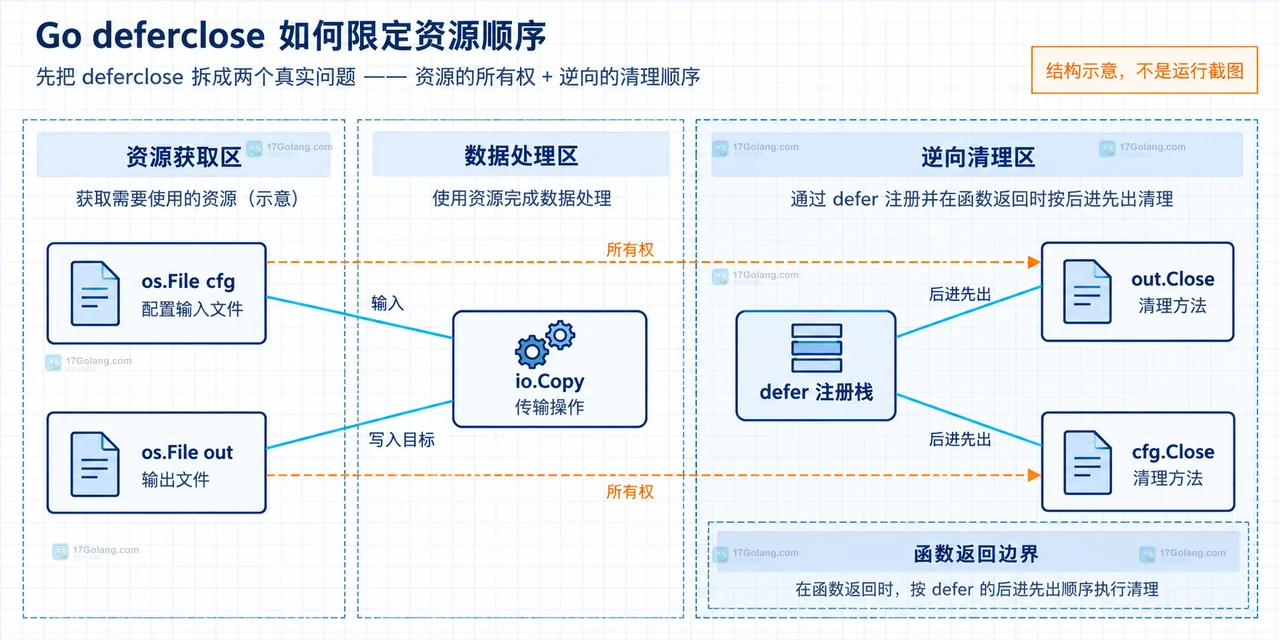
deferclose 不是 Go 内置函数,通常指用 defer 安排 Close。本文解释 defer 的后进先出顺序、循环里的作用域,以及文件和 sql.Rows 的关闭错误如何处理。
-
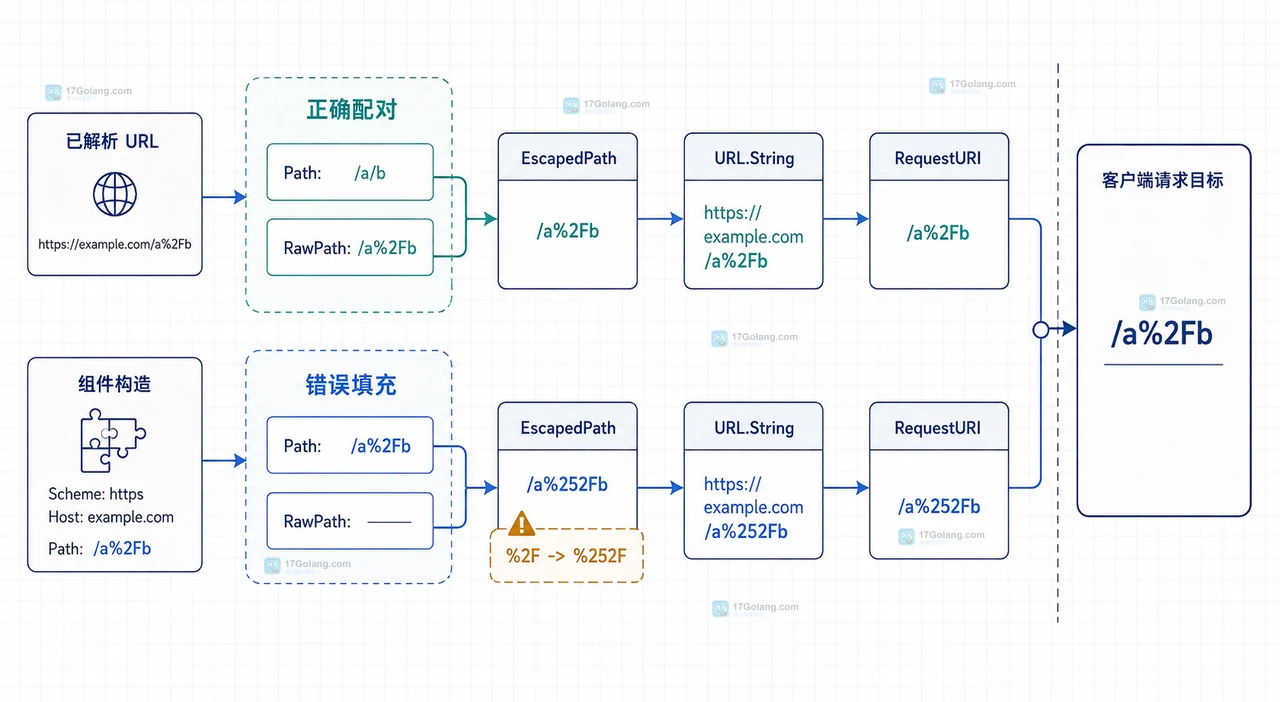
Go 的 URL.Path 保存解码后的路径,RawPath 只用于保留有效的原始编码提示;如果把已编码字符串直接放进 Path,URL.String 或 HTTP 客户端会再次转义百分号,形成 %252F。
-
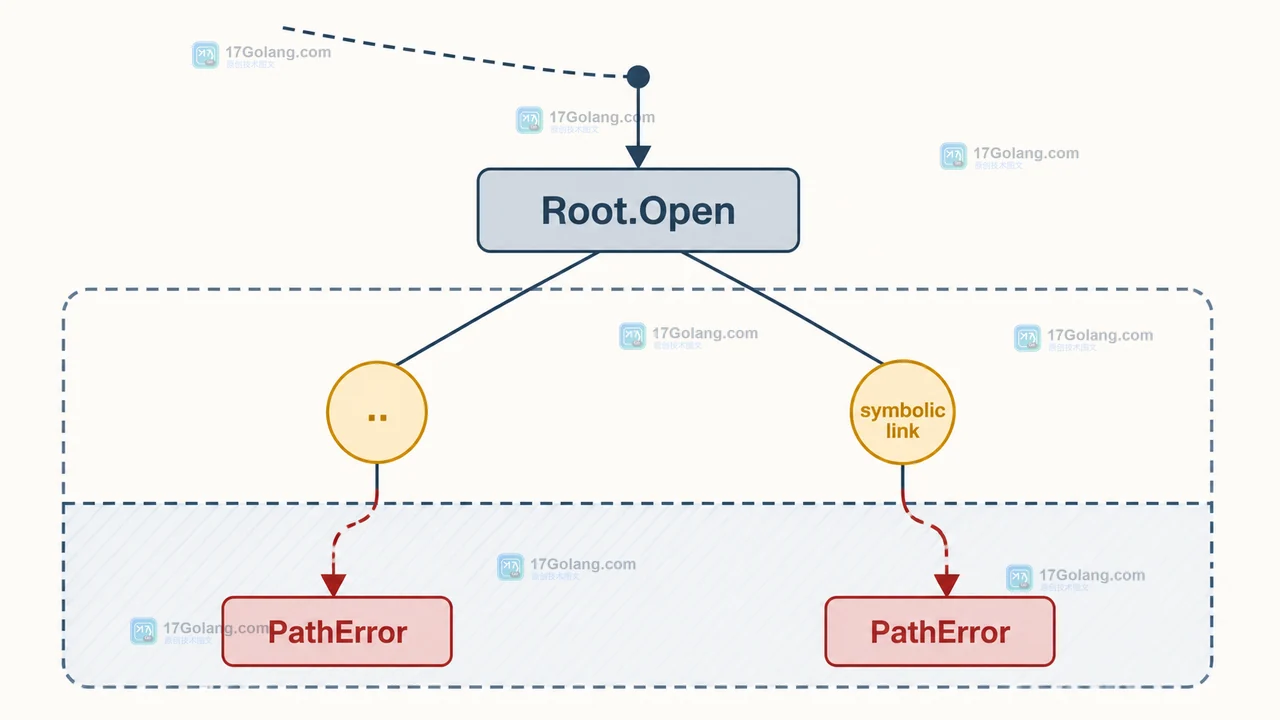
Go 1.24 的 os.Root 和 os.OpenInRoot 如何把不可信文件名限制在指定目录内,本文用最小代码说明路径穿越、符号链接与 Close 的边界。
-
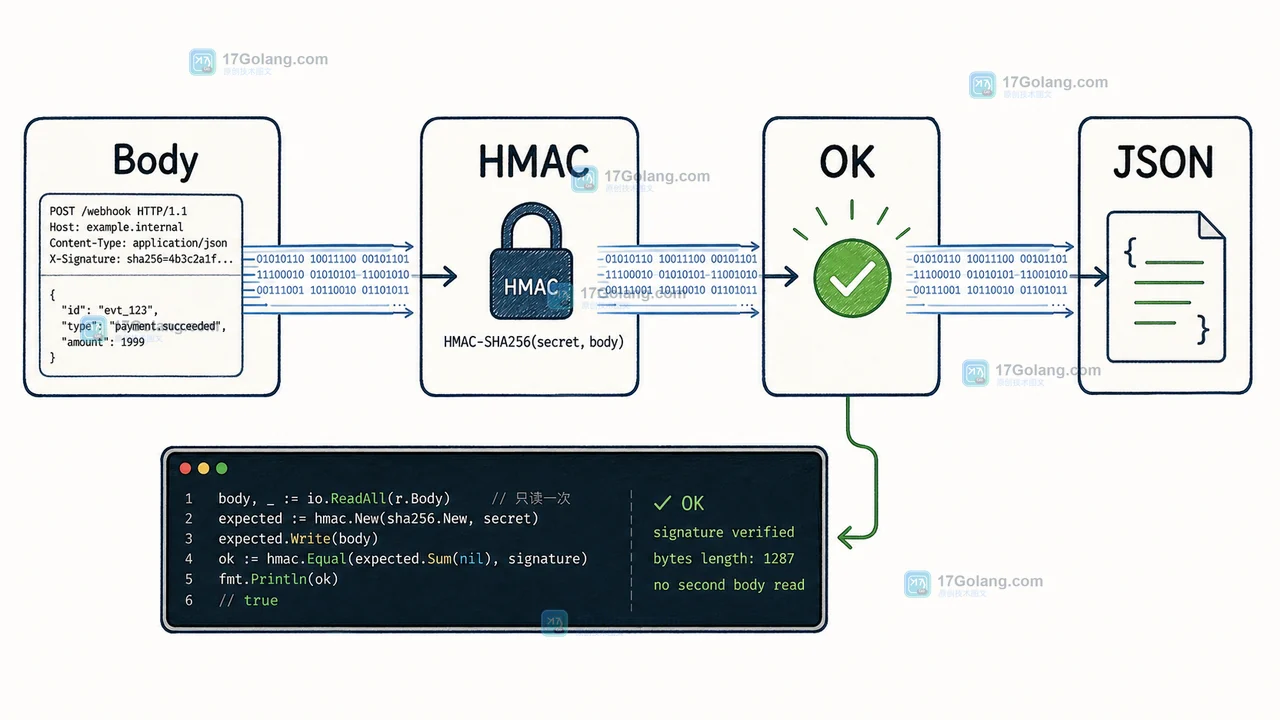
Go Webhook 先验签再解析却得到 EOF,通常不是 JSON 有问题,而是 r.Body 已被提前读完。用单一读取边界、长度限制和常量时间比较,把验签与业务解析放回同一条可信数据路径。
-

整体来看,Go 语言对初学者并不算难,学习曲线相对平缓。核心结论语法规则少,不容易混淆执行逻辑清晰,行为可预期适合逐步深入学习详细分析Go 语言通过减少隐式行为,让代码执行过程更加直观。初学者在阅读和调试代码时,更容易理解程序发生了什么。只要从基础语法入手,并结合简单项目练习,大多数学习者都能顺利入门。常见问题Go 的难点主要在哪?主要在于理解静态类型和程序结构。新手多久可以写项目?掌握基础语法后即可开始简单项目。更新时间:2026-02
-
我正在使用可视化代码和go插件。我为gotest"go.testflags"配置了详细选项:["-v"]。在这种情况下,当我运行测试单元时,我从输出窗口中看到测试单元的完整路径。---PASS:TestConstantBinary(0.00s)/Users/ian.w/Documents/learngo/src/learnGO/tests/constant_test.go:27:truefalsefalse是否可以从上面省略gopath,gopa
-
我正在学习使用go编程。以下程序应连续显示菜单,直到选择0。当前行为:如果用户的第一个选择是0,则循环中断。如果第一次选择是1、2或3,第二次选择0时,循环不会中断。我做错了什么?packagemainimport"fmt"funcmain(){multiline2:="welcome!pleasemakeyourchoice:\n"+
-
我无法使用新的relic监控我的go项目我可以使用java进行监控我已遵循文档步骤:https://docs.newrelic.com/docs/apm/agents/go-agent/installation/install-new-relic-go/来自github.com/newrelic/go-agent,使用您首选的流程;例如:bash命令go获取github.com/newrelic/go-agent/v3/newrelic在您的应用程序中导入github.c
-
大家好!我是golang的新手,我遇到了一个问题。我有一些这样的代码(只是示例):fmt.Println("yesorno:")if_,err:=fmt.Scan(&str);err!=nil{panic(err)}ifstr=="no"{fmt.Println("Youhavetoenteryes.")//WhatdoIneedtowritethis?}在用户输入正确的数据或终止进程之前,它不会再次显示
-
我有2个对象,例如:typeappastruct{apptypestringfrontendstring}typeappbstruct{apptypestringbackendstring}我有一个json格式的配置文件,例如:[{"apptype":"a","frontend":"url"},{"apptype":"b","backend":"sql"}]
-
我使用以下有效的示例代码,现在我希望每个作业都能够打印执行所花费的时间(最好是通用的,不是每个作业都需要使用代码start:=time.now()took:=time.since(start).milliseconds()并且还为作业提供超时,例如,如果需要超过10秒才能终止或停止它。packagemainimport("encoding/json""fmt""github.com/gammazero/workerpool")varn
-

这是我的律师模型typelawyerstruct{iduint`gorm:"primarykey"json:"id"`firstnamestring`gorm:"type:varchar(100)notnull"json:"first_name"`lastnamestring`gorm:"type:
-
如何从堆栈跟踪中删除绝对路径?例如现在:main.main()/home/username/workspace/temp/mvps/main.go:16+0xb2我希望它是这样的:main.main()main.go:16+0xb2
-

今天我尝试使用上下文进行编程,代码如下:packagemainfuncmain(){ctx:=context.Background()ctx=context.WithValue(ctx,"appid","test111")b.dosomething()}packagebfuncdosomething(ctxcontext.Context){fmt.Println(ctx.Value("appid").(string))}然后我的程
-
在我问这个问题之前,我需要道歉,我知道在代码中以编程方式运行这种事情是愚蠢的,应该转移到makefile中-但管理层希望将所有内容都放在二进制文件中来完成这项工作,所以,很酷...我需要知道如何cd到目录,然后运行:gofmt./...我发现了诸如exec等之类的东西...但问题是,当我需要运行命令时,它似乎专门寻找要使用的文件。有人做过吗?有给我举个例子吗?
